
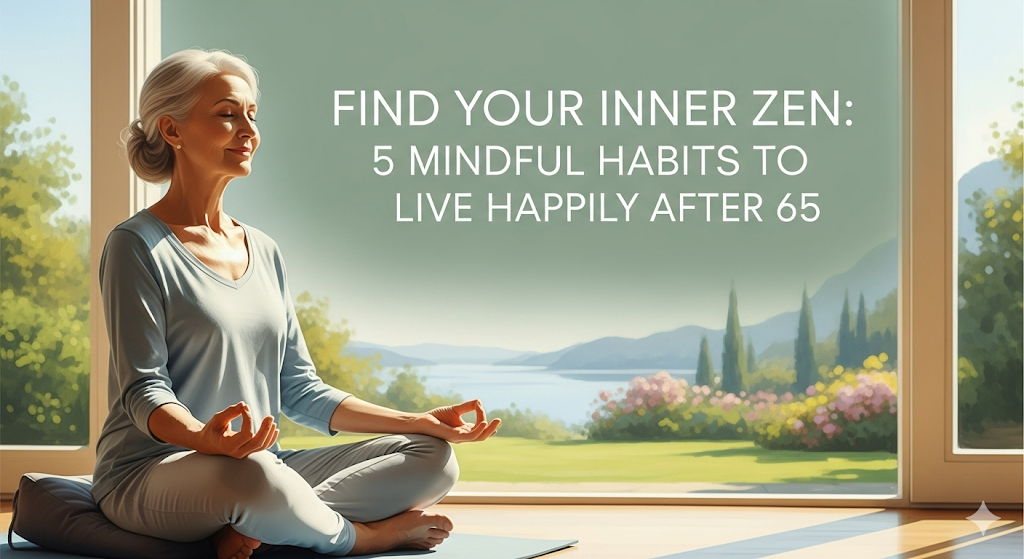
Have you ever found yourself searching for words that used to come so easily, or feeling a little more scatterbrained than you’d like? It’s a common experience as we journey through life, but it doesn’t have to be your permanent reality. Many of us worry about keeping our minds as sharp and vibrant as they once were, and the constant hum of daily life certainly doesn’t make it easier to stay focused and calm. But what if I told you there’s a simple, ancient practice that can help you not only reduce stress but also truly boost your cognitive power, keeping your mind alert and engaged? It’s easier than you might think, and it doesn’t require any special equipment or difficult postures.
In this article, we’re going to explore 5 meditation techniques that are wonderfully accessible and incredibly effective for anyone looking to stay sharp and reduce stress, especially as we embrace our golden years. These aren’t just trendy fads; they are time-tested methods that can genuinely make a difference in your daily life, helping you feel more present, focused, and resilient. We’ll break down each technique into easy-to-understand steps, showing you exactly how you can weave these simple habits into your routine. Prepare to discover how just a few minutes a day can transform your mental landscape, leaving you feeling more youthful, vibrant, and in control. Let’s start with our first powerful technique, which is truly the cornerstone of many meditative practices.
Boost Cognitive Power: 5 Meditation Techniques to Stay Sharp and Reduce Stress
1. Mindful Breathing: Your Anchor in the Present
Our journey begins with something incredibly fundamental yet profoundly powerful: mindful breathing. Think of your breath as a constant, gentle companion that’s always with you, a silent anchor in a busy world. This technique is all about simply noticing your breath, observing its natural rhythm without trying to change it. It’s a way to bring your attention back to the present moment, away from worries about the past or anxieties about the future. When your mind tends to wander – and trust me, it will – the breath gives you a gentle, neutral focus to return to.
Here’s how you can practice it: Find a comfortable seated position, perhaps on a chair with your feet flat on the floor, or cross-legged if that feels good. Gently close your eyes or soften your gaze downwards. Now, simply pay attention to the sensation of your breath. Notice the air as it enters your nostrils, travels down, and fills your lungs. Feel your abdomen gently rise and fall with each inhale and exhale. Don’t judge it; just observe. If your mind drifts off to your grocery list or yesterday’s conversation, that’s perfectly normal! Simply acknowledge the thought, and then very gently guide your attention back to your breath. Practicing this for just 5-10 minutes a day can significantly enhance your ability to focus and reduce mental clutter, helping you feel clearer and more calm.
2. Body Scan Meditation: Tapping into Inner Wisdom
Building on the foundation of mindful breathing, our second technique, the body scan meditation, invites you to bring that same gentle awareness to your entire physical being. This practice is wonderful for reducing stress and increasing your body awareness, which in turn helps your mind feel more grounded and less anxious. It’s like giving your body a loving, internal check-up, noticing any sensations without judgment, and releasing any tension you might be holding onto. This deep connection between mind and body is essential for overall cognitive well-being.
To practice a body scan, lie down comfortably on your back, perhaps on a mat or your bed, or remain seated if that’s more accessible. Close your eyes. Begin by bringing your awareness to your toes. Notice any sensations there – warmth, tingling, coolness, or nothing at all. Simply observe. Then, slowly, move your attention up through your feet, ankles, calves, knees, thighs, hips, and so on, progressively moving through every part of your body. As you focus on each area, imagine your breath flowing into that part, bringing relaxation and awareness. If you encounter any discomfort, simply acknowledge it without judgment and breathe gently into it. This practice can reveal areas of hidden tension you weren’t even aware of, helping you release them and promoting a sense of deep relaxation that clears your mind for better cognitive function.
3. Loving-Kindness Meditation: Cultivating Compassion and Positivity
Now that we’ve explored grounding practices, let’s turn to one that truly nourishes the heart and mind: loving-kindness meditation, also known as Metta meditation. This beautiful practice isn’t just about feeling good; it’s about actively cultivating feelings of warmth, friendliness, and compassion towards yourself and others. Research shows that fostering positive emotions can actually improve cognitive flexibility and emotional regulation, making your mind more agile and resilient to life’s challenges. It helps dissolve feelings of isolation and replaces them with connection, a vital ingredient for mental health.
Find a comfortable position, just as you would for mindful breathing. Gently close your eyes. Begin by directing feelings of loving-kindness towards yourself. You can silently repeat phrases such as: “May I be happy. May I be healthy. May I be safe. May I live with ease.” Let these intentions resonate within you. After a few minutes, extend these feelings to someone you care deeply about, repeating similar phrases for them: “May you be happy. May you be healthy. May you be safe. May you live with ease.” Then, broaden your focus to include a neutral person (someone you don’t feel strongly about, like a neighbor you barely know), and finally, to all beings everywhere. This practice helps rewire your brain for positivity, significantly reducing stress and enhancing your overall mental outlook.
4. Walking Meditation: Bringing Mindfulness into Motion
Who says meditation has to be sedentary? Our fourth technique, walking meditation, is a fantastic way to integrate mindfulness into your daily activity. It’s perfect for those who find sitting still a challenge, or simply want to experience mindfulness in a more active way. This practice encourages you to pay attention to the simple act of walking, turning a mundane task into a profound exercise in presence and awareness. By focusing on your steps and surroundings, you can reduce mental chatter and boost your ability to concentrate on the task at hand, whether that’s enjoying a stroll or engaging in complex thought.
To practice walking meditation, find a quiet space where you can walk undisturbed, perhaps a hallway, a park, or even your garden. Begin by standing still and taking a few deep breaths, grounding yourself. Then, start walking at a slower pace than usual. Bring your awareness to your feet – notice the sensation of your heel touching the ground, then the sole, then your toes lifting off. Feel the weight shift from one foot to the other. Pay attention to the subtle movements of your legs, hips, and arms. Notice the gentle sway of your body. If your mind wanders, gently bring it back to the sensations of walking. You can also incorporate your senses, noticing the sights, sounds, and smells around you without getting lost in thought. This dynamic meditation strengthens your mind-body connection, making you more alert and present throughout your day.
5. Visualization Meditation: Cultivating Inner Peace and Clarity
Finally, let’s explore visualization meditation, a wonderful technique for harnessing the power of your imagination to create a sense of peace, clarity, and well-being. This practice is incredibly versatile and can be tailored to address specific needs, whether you want to reduce anxiety, enhance creativity, or simply find a quiet sanctuary within your mind. By vividly imagining calming scenes, you can actually influence your brain’s emotional centers, leading to reduced stress and improved cognitive function.
Find a comfortable, quiet space where you won’t be disturbed. Close your eyes and take a few deep, calming breaths. Now, begin to imagine a peaceful place. This could be a serene beach, a tranquil forest, a cozy cabin, or any place that brings you a sense of calm and safety. Engage all your senses in this imagined scene. What do you see? What colors are present? What sounds do you hear – perhaps gentle waves or birdsong? What smells are in the air? How does the air feel on your skin? Allow yourself to fully immerse in this mental landscape, noticing how your body relaxes and your mind quietens. Spend 10-15 minutes in your peaceful sanctuary. Regular practice of visualization can train your mind to access states of calm and focus more readily, giving you a powerful tool to manage stress and enhance your mental clarity.
So, there you have it – five incredible meditation techniques that are ready to become your allies in boosting cognitive power and reducing stress as you embrace every stage of life. We’ve explored how mindful breathing can anchor you in the present, how a body scan connects you deeply with your physical self, and how loving-kindness can fill your heart with warmth and positivity. We also looked at the moving mindfulness of walking meditation and the imaginative sanctuary of visualization, each offering unique benefits to keep your mind sharp and your spirit calm.
Remember, these aren’t complex rituals but simple, accessible practices. You don’t need to be a guru or devote hours each day. Even just 5 to 10 minutes of consistent practice can start to make a remarkable difference. Think of it as gentle exercise for your brain and a soothing balm for your soul. Small, consistent steps truly lead to big, lasting changes in your mental health and overall happiness. You are capable of cultivating a sharper mind and a more peaceful existence, no matter your age. The power is already within you!
We’d love to hear about your experiences! Have you tried any of these techniques before, or are you planning to incorporate them into your routine? Share your thoughts and insights in the comments section below. Your journey might inspire someone else! And if you found this article helpful, please give it a like and consider following our channel’s website for more encouraging content and practical advice to help you live your best life at any age! Keep shining brightly!