
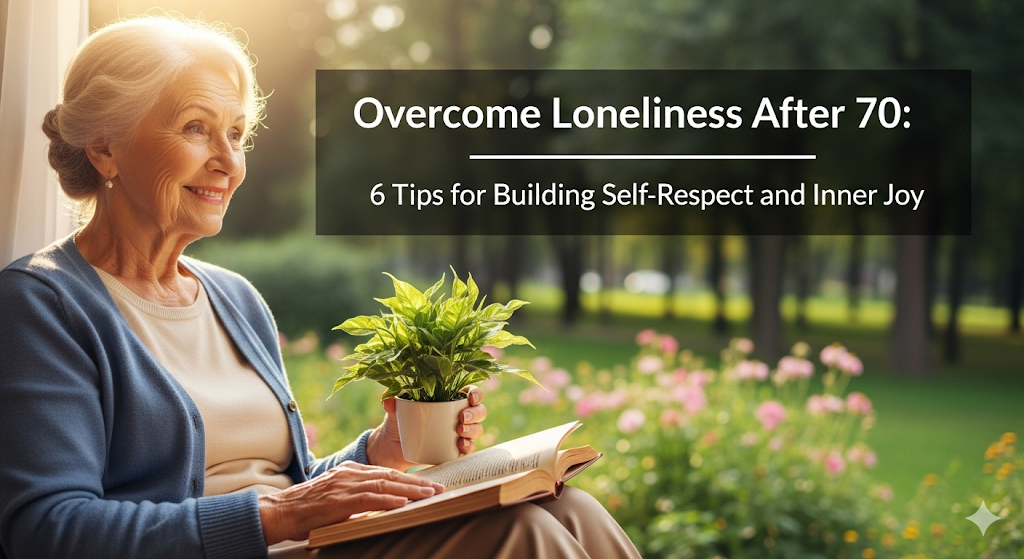
My dear friend, have you ever found yourself in a quiet moment, perhaps as the sun sets, feeling a little less connected than you used to be? It’s a common experience as we gracefully navigate life after 70, when routines change, loved ones may be further away, and the world sometimes seems to move at a different pace. But let me tell you, this stage of life is not about retreating; it’s about rediscovering, reconnecting, and truly flourishing with a profound sense of self-respect and inner joy. Loneliness can creep in, but it doesn’t have to stay. In fact, it can be a powerful catalyst for building a richer, more fulfilling life right where you are.
We’re going to embark on a gentle journey together, exploring six heartfelt tips designed to help you not just overcome loneliness, but to truly thrive, nurturing your spirit and rekindling that spark within. We’ll talk about everything from finding joy in old hobbies and embracing nature, to forging new connections and becoming your own best friend. Each suggestion is practical, easy to embrace, and aimed at bringing more light into your days. So, lean in, relax, and let’s discover how you can fill your life with warmth and purpose, starting right now.
Overcome Loneliness After 70: 6 Tips for Building Self-Respect and Inner Joy
1. Reconnect with Your Passions (and Discover New Ones)
Let’s start with something truly close to your heart: your passions. Think back to what truly brought you joy earlier in life. Was it painting? Gardening? Reading a gripping novel? Perhaps it was knitting intricate patterns, solving puzzles, or even delving into history documentaries. Often, as life gets busy, these beloved activities take a backseat. Now is the perfect time to dust off those old desires! Pick up that paintbrush, plant those seeds, or open that book you’ve always wanted to read. The act of engaging in something you love not only fills your time but also brings a deep sense of satisfaction and purpose. It reminds you of your unique talents and interests, boosting your self-respect as you master skills and create beauty in the world around you.
But don’t stop there! This is also an incredible opportunity to explore new horizons. Have you ever considered learning a new language, trying a gentle form of yoga, or even picking up a musical instrument? Many local community centers, libraries, and even online platforms offer beginner-friendly classes designed specifically for seniors. There’s a wonderful sense of excitement and achievement that comes from learning something new, and it can introduce you to new communities and like-minded individuals. Remember, joy often blossoms when we allow ourselves to be curious and open to new experiences, reaffirming that you are a person of many dimensions, always growing and evolving.
2. Embrace Gentle Movement and Nature’s Embrace
Now that we’ve talked about rekindling your inner spark, let’s turn our attention to how the physical world can uplift your spirit. Gentle movement, far from strenuous exercise, is about moving your body in ways that feel good and restorative. Think of a leisurely walk around your neighborhood, stretching in your living room while listening to calming music, or even a simple session of chair yoga. These activities don’t just improve your physical health; they are powerful mood boosters! Movement releases endorphins, those wonderful “feel-good” chemicals that naturally combat feelings of sadness or lethargy. It’s a simple yet profound way to show your body kindness, fostering a sense of capability and well-being that contributes to your inner joy.
Alongside movement, the embrace of nature offers incredible solace. Spending time outdoors, even for just a few minutes each day, can dramatically shift your perspective. Whether it’s sitting on a park bench, tending to a small garden, or simply observing the birds from your window, connecting with the natural world grounds you. The warmth of the sun on your skin, the rustling of leaves, the scent of fresh air – these sensory experiences remind us of the vast, interconnected beauty of life. It’s a gentle way to feel less alone, finding a quiet companionship in the rhythm of the world around you. This connection to something larger than ourselves can be incredibly restorative, enhancing both your mental clarity and your overall sense of peace.
3. Cultivate Meaningful Connections (Quality Over Quantity)
Next, let’s talk about the heart of human experience: connection. When loneliness sets in, it’s easy to feel isolated, but remember, you are not alone in feeling this way. What truly matters isn’t how many people you know, but the depth and quality of your relationships. Start by reaching out to those who matter most: family members, old friends, or even acquaintances you haven’t spoken to in a while. A simple phone call, a thoughtful letter, or a video chat can bridge distances and rekindle cherished bonds. Sharing stories and laughter with someone who truly knows you is an invaluable source of inner joy and belonging.
Beyond existing relationships, actively seek opportunities to create new, meaningful connections. Consider joining local clubs or groups that align with your interests – a book club at the library, a seniors’ walking group, a volunteering opportunity at a local charity, or even a knitting circle. These structured activities provide a natural way to meet new people who share your passions, making it easier to strike up conversations and form friendships. Remember, true connection flourishes when we are genuinely interested in others and open to sharing a piece of ourselves. Don’t be afraid to take the first step; a warm smile or a kind word can open the door to wonderful new relationships, affirming your place in the community and enriching your life with shared experiences.
4. Practice Daily Gratitude and Mindfulness
Now that we’ve explored the power of outward connections, let’s look inward. Cultivating gratitude and mindfulness are two profoundly simple yet powerful practices that can transform your daily experience, nurturing your inner joy and bolstering your self-respect. Gratitude isn’t about ignoring challenges; it’s about acknowledging the good that still exists in your life, no matter how small. Try this: each morning or evening, take a few minutes to think of three things you’re grateful for. It could be the warmth of your morning tea, a kind word from a neighbor, the beauty of a sunset, or simply the comfort of your bed. Writing these down in a small journal can make the practice even more impactful. This shift in focus from what might be missing to what is abundant can profoundly change your outlook, making you feel richer in spirit.
Mindfulness, on the other hand, is about being fully present in the moment. It’s about truly experiencing your five senses, whether you’re savoring a meal, listening to music, or feeling the texture of your clothes. Instead of letting your mind wander to worries about the past or future, mindfulness brings you gently back to the here and now. For example, when you drink a cup of tea, notice its warmth, its aroma, its taste. When you walk, feel your feet on the ground, hear the sounds around you. This practice can reduce anxiety and stress, bringing a calm clarity that highlights your capacity for peace and contentment. By consciously choosing to appreciate the present, you build a deeper connection with yourself, reinforcing your inherent worth and filling your being with quiet joy.
5. Learn Something New Every Day
Let’s move to something that keeps our minds sharp and our spirits vibrant: continuous learning. The idea that learning is just for school-aged children is a myth we need to dispel! For us, after 70, keeping our brains active and engaged is one of the best ways to foster self-respect and a vibrant inner joy. It provides a sense of purpose, a feeling of accomplishment, and keeps us curious about the world. And it doesn’t have to be formal; it can be as simple as learning a new word each day, following a documentary series on a topic that interests you, or trying out a new recipe. The internet offers a treasure trove of knowledge right at our fingertips – free online courses, educational videos, virtual museum tours, and so much more.
Think about a skill you’ve always admired but never had the chance to try. Maybe it’s photography, basic coding, or even a simple craft like origami. Engaging your mind in new ways creates new neural pathways, helping to keep your memory sharp and your cognitive functions robust. The satisfaction of mastering a new skill, no matter how small, is immense. It reaffirms your capability, your intelligence, and your boundless potential, reminding you that age is merely a number when it comes to personal growth. This continuous engagement with learning is a powerful antidote to feeling stagnant, replacing it with excitement and a profound sense of personal growth.
6. Be Your Own Best Friend: Self-Compassion and Boundaries
Finally, and perhaps most importantly, let’s talk about becoming your own best friend. This means treating yourself with the same kindness, understanding, and respect you would offer to someone you deeply care about. Self-compassion is about acknowledging your feelings, even feelings of loneliness or sadness, without judgment. It’s okay to have quiet days, and it’s okay to feel vulnerable sometimes. Instead of being hard on yourself, offer yourself a comforting thought, just as you would a dear friend. This practice builds an unshakeable foundation of self-respect, reminding you that you are worthy of love and care, especially from yourself.
Part of being your own best friend also involves setting healthy boundaries. This means knowing when to say “no” to things that drain your energy and “yes” to activities that nourish your soul. It’s about prioritizing your well-being, whether that means taking time for a quiet afternoon, protecting your peace from overwhelming demands, or simply allowing yourself to rest when you need it. When you honor your own needs, you send a powerful message to yourself that you are valuable and deserving of gentle care. This inner strength, this unwavering kindness towards yourself, is the truest source of lasting inner joy. It’s a joy that comes from within, resilient and steadfast, because it’s rooted in a deep and loving relationship with the most important person in your life: you.
So, my dear friend, we’ve journeyed through six heartfelt tips to help you embrace life after 70 with renewed vigor and a heart full of joy. We’ve talked about rekindling passions, finding solace in nature, building meaningful connections, cultivating gratitude, embracing lifelong learning, and perhaps most importantly, becoming your own best friend through self-compassion and healthy boundaries. Remember, overcoming loneliness isn’t about being surrounded by people every second, but about cultivating a rich inner world and purposeful connections that resonate with your spirit.
Each of these steps, no matter how small, is a powerful act of self-love and an investment in your happiness. You are not alone on this path; countless others are discovering the profound beauty of this stage of life. Small changes truly can make a big difference, transforming quiet moments into opportunities for growth and profound joy. You have so much wisdom, experience, and love to offer, and even more to receive.
I truly hope these words have brought you some comfort and inspiration. I’d love to hear your thoughts or experiences! Please feel free to share your own tips or stories in the comments section below. Your insights could be exactly what someone else needs to hear. If you found this article helpful, please give it a like and consider following our channel for more uplifting and practical content designed to help you live your best life. Keep embracing every day with an open heart and a curious spirit. Live your best life at any age!